Early RSV protection: Why the six-week immunisation check matters for infants
Early RSV protection: Why the six-week immunisation check matters for infants
GPs have an important role to play in ensuring that all infants are protected from RSV infection.
While many newborns are already protected, either through the Maternal RSV Immunisation Program or via a birth dose of Beyfortus (nirsevimab) in hospital, some babies are falling through the cracks.
It is crucial that GPs check infants’ immunisation status at their six-week appointment and offer immunisation with the monoclonal antibody Beyfortus (nirsevimab) if eligible. The clinical decision aid for Beyfortus can support GPs in identifying eligible patients.
Factors that can result in babies having missed out on RSV protection prior to the six-week appointment include:
mother missed RSV maternal immunisation during pregnancy
infant delivered within 14 days of mother receiving immunisation
early hospital discharge before birth dose administration
documentation gaps between hospital and primary care
RSV immunisation is proven to significantly reduce infant hospitalisations
The first year of Australia’s maternal and infant RSV program resulted in a 43.8% reduction in RSV hospitalisations among infants younger than 3 months, the age group at highest risk of severe disease.
Infants whose mothers received an RSV vaccine during pregnancy were 80% less likely to be hospitalised with RSV, while infants who received Beyfortus (nirsevimab) were 90% less likely to be hospitalised, compared with infants who received neither form of protection.
Prior to the implementation of the RSV program, around one in 50 children required hospitalisation due to RSV in their first year of life.
Ensure that you check infants’ RSV immunisation status at their six-week appointment and offer Beyfortus (nirsevimab) if eligible.
Immunisation Weekly Update: Welcome to our weekly Immunisation Update! In this week’s update, read about: Power outage preparedness: Are you ready for summer? Capvaxive stock available Video explainers: Measles and Pneumococcal vaccines CESPHN Immunisation Without Borders: Measles resurgence, travel health and safeguarding Australia webinar Order NIP schedule – updated October…
Excellence in primary health care celebrated at CESPHN’s Primary Health Awards Central and Eastern Sydney Primary Health Network (CESPHN) is proud to announce the winners of the 2026 Primary Health Awards, recognising excellence, innovation and quality improvement in primary health care across the region. The annual awards recognise primary health…
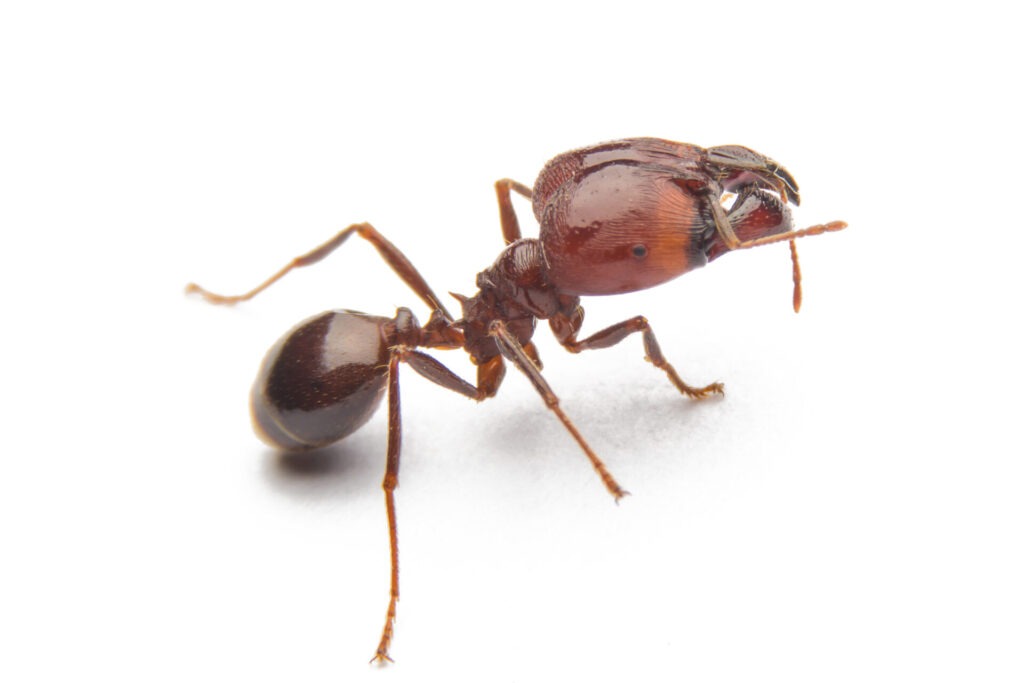
Clinician Alert: Red Imported Fire Ants Detected in Sydney A red imported fire ant nest has been detected and treated at the Enfield Intermodal Logistics Centre in Sydney’s inner west. While surveillance has not identified any additional nests and the likelihood of fire ant-related presentations is currently considered low, NSW…
Immunisation Weekly Update: Welcome to our weekly Immunisation Update! In this week’s update, read about: NSW seeing increase in reported cases of bat bites and scratches Personalised childhood vaccination schedule Vaccination during pregnancy: a guide for health professionals AIR Vaccine Type field updated New NIP schedule available: order now Education …
Non-registered practitioner in Redfern may have placed clients at risk NSW Health and the NSW Health Care Complaints Commission (HCCC) were recently made aware of a non-registered practitioner who has been providing cosmetic and other health services, including invasive procedures, from a private residence in Redfern. The HCCC has issued…