ANSC March 2026 update: RPA Women and Babies/Canterbury Hospital
ANSC March 2026 update: RPA Women and Babies/Canterbury Hospital
Case study by RPA/Canterbury ANSC GP advisor
29-year-old Anna returns from interstate to live with her mother, your regular patient who has HT; IHD, AF and T2DM. Anna is a PE teacher who is 15 weeks pregnant with her first pregnancy. She brought her antenatal bloods and dating scan with her.
She is generally fit and well apart from mild episodic asthma for which she uses salbutamol PRN. Examination reveals BP 115/75 HR 85 Height 171cm, Weight 84kg (BMI 28.7), palpable 15wk fundus.
Results at 10 weeks: Hb 136/ WCC 6.2 / platelets 198. Blood Group O pos. HIV/ HCV/HBV/ syphilis serology – negative. Rubella / varicella = Immune. TSH – 2.5. HbEPG – negative for beta-thalassemia; 3-gene reproductive carrier test is negative; MSU – no growth. Combined first trimester screen is low risk for trisomy and PE, and included fetal DNA analysis (low risk, 46 XX)
You complete the referrals for shared care with her local hospital. What is the next test for her?
Anna is high risk for hypergylcemia in pregnancy due to positive FH – she needs 75g OGTT.
*Polycystic ovarian syndrome (androgens not elevated)
*BMI 25 to 35 kg/m2 (overweight/Class 1 obesity)
Guidelines advise the appropriate test for gestation and risk factors:
<12wks = fasting – BSL HbA1c; 16-20wks = 75g GTT; 26-28wks = all women 75g GTT
Anna returns with her GTT results: fasting 5.5 / 1hr 10.6 / 2hr 9.1
(gestational diabetes mellitus should be diagnosed using one or more of the following criteria during a 75 g two‐hour POGTT: (i) FPG ≥ 5.3–6.9 mmol/L; (ii) one‐hour plasma glucose (1hPG) ≥ 10.6 mmol/L; (iii) 2hPG ≥ 9.0–11.0 mmol/L.)
She has GDM based on her elevated fasting and 2hour result.
She was referred to the diabetes clinic for further management.
Reduce the risk of complications to mother & baby: Pre-eclampsia, Higher rates of caesarean delivery, Birth injuries, Low APGAR scores, Neonatal ICU admissions (Respiratory distress at birth, Neonatal hypoglycaemia, Jaundice of the neonate – to name a few).
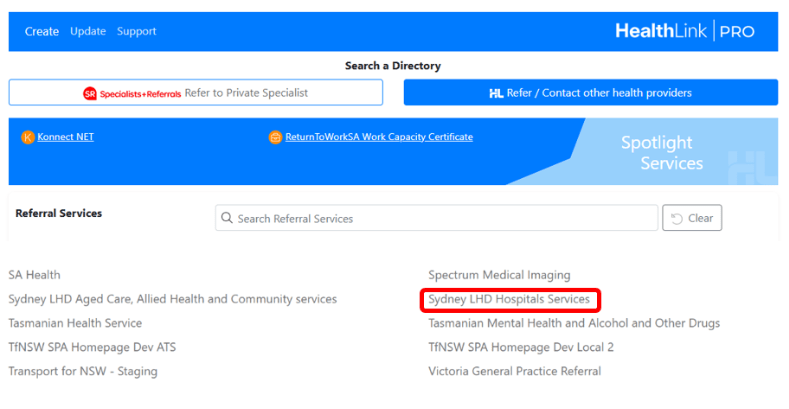
From 28 July 2025, GP referrals sent via fax and email will no longer be processed at RPA women and babies services (maternity, fertility, gynaecology, EPAS and FMU).
HealthLink Smartforms for Concord and Canterbury maternity services, as well as RPA women and babies services are now hosted within the Sydney LHD Hospital Services folder on the HealthLink Platform which can be accessed via GP practice software or via the HealthLink online portal.
HealthLink Smartform eReferrals are now the primary mechanism for referral to over 100 services at Sydney Local Health District. For more information on how to submit and update eReferrals, please refer to the HealthLink Smartform user guides or email SLHD-EReferralProject@health.nsw.gov.au
SLHD early pregnancy information session
Did you know SLHD Parent Education Service provides face to face and online information sessions for expecting families? Our Early Pregnancy Information Session is perfect for families planning a pregnancy, or from 4 weeks of pregnancy. We discuss preconception health and ways parents can plan for a healthy pregnancy. We provide pregnancy, birth and parenting resources and information about Sydney Local Health Districts Maternity, Child and Family Health services. This session is free, please book here: SLHD Parent Education Booking Form
Combined first trimester screening at RPA Hospital
Combined First Trimester screening is available to all patients choosing to birth at RPA Hospital and involves the combination of maternal age, blood test results and ultrasound findings to screen for chromosomal abnormalities (trisomy’s 21, 18 and 13), and risk of developing pre-eclampsia and/or fetal growth restriction. It is recommended that this is discussed and offered to all women planning to deliver at RPA Hospital, early in the first trimester. At RPA Hospital, cFTS is covered by Medicare for Medicare eligible patients. Please see HealthPathways ‘Prenatal Screening and Diagnosis of Fetal Maternal Conditions’
GP’s can refer patients to RPA for cFTS (with or without NIPT) using the Maternity HealthLink eReferral SmartForm, please see HealthPathways for further guidance on referrals, or contact the eReferral Project Team on 0476 768 628.
Canterbury Hospital antenatal referrals
It is important to be aware that not all patients will be clinically appropriate to receive antenatal care at Canterbury Hospital, which is a level 4 maternity service. High-risk patients often require specialist input and multidisciplinary support and may need referral to RPA Hospital for antenatal care. For example, a patient with Type 1 diabetes or other complex medical conditions will need referral to RPA Hospital for antenatal and specialist care.
GPs are encouraged to consider any complex risk factors when referring and to contact SLHD GP Liaison Midwife (Nicola Hart – 0425 230 662), or the Complex Care Clinical Midwife Consultant at Canterbury Hospital (Karoline Tsiailis – 0407 703 159) if you have any questions regarding antenatal care referrals.
Antenatal assessments
A friendly reminder that consistent antenatal assessments are key to early identification of growth or fetal wellbeing concerns. An abdominal examination which involves measuring symphysio-fundal height (SFH) is a routine assessment at every antenatal visit from 24 weeks gestation. A deviation of 3cm +/- gestation is an indication for an ultrasound to check fetal growth. Please visit the Safer Baby Bundle website for more information on SFH technique and fetal growth considerations. In a healthy pregnancy this is a screening tool for assessing fetal growth and any concerns that growth is either outside of gestational expectations or that it is not maintaining growth trajectory should involve obstetric referral.
Similarly, auscultation of the fetal heart should be offered at each antenatal visit from the time that it will be audible (approximately 16-20 weeks gestation). For any concerns Mon-Fri, please contact the SLHD GP Liaison Midwife, Nicola Hart (0425 230 662), for concerns after hours, please follow the ‘Urgent Antenatal Assessment’ HealthPathway.
SLHD GP liaison midwife
If you have any questions or non‑urgent concerns, the SLHD GP Liaison Midwife, Nicola Hart (0425 230 662), is available Monday to Friday, 8:00am–4:30pm, to support GPs with any maternity-related matters. For any urgent clinical concerns or after-hours support, please follow the ‘Urgent Antenatal Assessment’ HealthPathway.
Immunisation Weekly Update: Welcome to our weekly Immunisation Update! In this week’s update, read about: Power outage preparedness: Are you ready for summer? Capvaxive stock available Video explainers: Measles and Pneumococcal vaccines CESPHN Immunisation Without Borders: Measles resurgence, travel health and safeguarding Australia webinar Order NIP schedule – updated October…
Excellence in primary health care celebrated at CESPHN’s Primary Health Awards Central and Eastern Sydney Primary Health Network (CESPHN) is proud to announce the winners of the 2026 Primary Health Awards, recognising excellence, innovation and quality improvement in primary health care across the region. The annual awards recognise primary health…
Clinician Alert: Red Imported Fire Ants Detected in Sydney A red imported fire ant nest has been detected and treated at the Enfield Intermodal Logistics Centre in Sydney’s inner west. While surveillance has not identified any additional nests and the likelihood of fire ant-related presentations is currently considered low, NSW…
Immunisation Weekly Update: Welcome to our weekly Immunisation Update! In this week’s update, read about: NSW seeing increase in reported cases of bat bites and scratches Personalised childhood vaccination schedule Vaccination during pregnancy: a guide for health professionals AIR Vaccine Type field updated New NIP schedule available: order now Education …
Non-registered practitioner in Redfern may have placed clients at risk NSW Health and the NSW Health Care Complaints Commission (HCCC) were recently made aware of a non-registered practitioner who has been providing cosmetic and other health services, including invasive procedures, from a private residence in Redfern. The HCCC has issued…