Needle-Free Flu Protection for Children and Adolescents
Needle-Free Flu Protection for Children and Adolescents
In 2026, families in New South Wales will have access to a needle-free influenza (flu) vaccine for young children.
The intranasal FluMist nasal spray vaccine will be free for children aged 2 to under 5 years. It will also be available privately for children and teens up to 18 years of age. FluMist will allow parents to protect their young children from severe flu without the stress of a needle, as it is delivered via a painless and simple nasal spray.
Why is it important to vaccinate my child for the flu?
Although flu can be mild for some, it can also cause serious illness and hospitalisation, even in healthy children. Vaccination helps protect them from severe disease and reduces community spread, helping keep vulnerable people safer.
How does it work?
FluMist is a live-attenuated vaccine, meaning that it contains weakened strains of flu viruses that train the immune system to recognise the viruses. but cannot cause illness in healthy individuals.
It is given as a quick spray into each nostril and is rapidly absorbed. If a child sneezes or blows their nose afterwards, the vaccine will still work and does not need to be repeated.
Common side effects are mild and short-lived, such as a runny nose or other mild respiratory symptoms. The vaccine is not suitable for children who are moderately or severely immunocompromised and should be used with caution for those who are close contacts of people with significant immunocompromise.
Where can my child get the intranasal vaccine?
The intranasal vaccine will be available for free at the GP for children aged two to under five and can be purchased privately for children aged five to under eighteen at GPs and certain pharmacies.
Find out more information about the intranasal flu vaccine in the National Centre for Immunisation Research and Surveillance (NCIRS) Frequently Asked Questions resource.
Immunisation Weekly Update: Welcome to our weekly Immunisation Update! In this week’s update, read about: Power outage preparedness: Are you ready for summer? Capvaxive stock available Video explainers: Measles and Pneumococcal vaccines CESPHN Immunisation Without Borders: Measles resurgence, travel health and safeguarding Australia webinar Order NIP schedule – updated October…
Excellence in primary health care celebrated at CESPHN’s Primary Health Awards Central and Eastern Sydney Primary Health Network (CESPHN) is proud to announce the winners of the 2026 Primary Health Awards, recognising excellence, innovation and quality improvement in primary health care across the region. The annual awards recognise primary health…
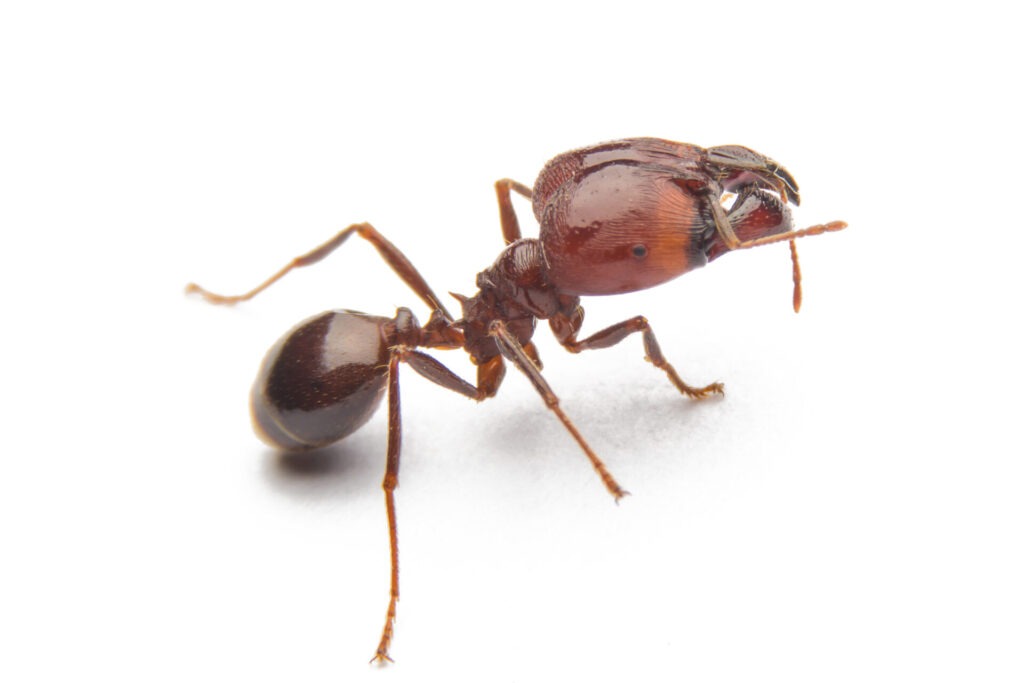
Clinician Alert: Red Imported Fire Ants Detected in Sydney A red imported fire ant nest has been detected and treated at the Enfield Intermodal Logistics Centre in Sydney’s inner west. While surveillance has not identified any additional nests and the likelihood of fire ant-related presentations is currently considered low, NSW…
Immunisation Weekly Update: Welcome to our weekly Immunisation Update! In this week’s update, read about: NSW seeing increase in reported cases of bat bites and scratches Personalised childhood vaccination schedule Vaccination during pregnancy: a guide for health professionals AIR Vaccine Type field updated New NIP schedule available: order now Education …
Non-registered practitioner in Redfern may have placed clients at risk NSW Health and the NSW Health Care Complaints Commission (HCCC) were recently made aware of a non-registered practitioner who has been providing cosmetic and other health services, including invasive procedures, from a private residence in Redfern. The HCCC has issued…