As we head into the winter months, protecting older adults from preventable respiratory illness is more important than ever. CESPHN is encouraging eligible community members to access the new free Respiratory Syncytial Virus (RSV) vaccine, funded by the Australian Government under the National Immunisation Program from 15 May 2026.
Why vaccinate older Australians for RSV?
RSV is common – and can be severe in older people. RSV is a highly infectious respiratory virus that usually causes mild, cold‑like symptoms, but in older adults it can lead to severe disease. RSV can cause pneumonia and bronchitis and, in some cases, result in hospitalisation, intensive care admission or death. Older people, particularly those living in aged care or with chronic health conditions, are at higher risk due to reduced immunity and close living environments.
Why this matters for our community
This new RSV vaccination program reduces preexisting financial barriers to health care and complements existing free flu and COVID‑19 vaccines, strengthening protection for those most at risk of severe respiratory illness.
Vaccination not only protects individuals but helps reduce the spread of illness across the community—supporting healthier families, carers and aged care residences.
How do older Australians access the RSV vaccine?
From May 15, 2026, a free RSV vaccine is available for:
People aged 75 years and over
Aboriginal and Torres Strait Islander people aged 60 years and over
Eligible people can receive the vaccine through their GP, local immunisation clinic, community or Aboriginal health service, or participating pharmacy.
Community members are encouraged to speak with their healthcare provider about RSV vaccination and staying up to date with all recommended immunisations this winter.
See Department of Health, Disability and Aging media release here.
See National Immunisation Program RSV consumer fact sheet here.
Excellence in primary health care celebrated at CESPHN’s Primary Health Awards Central and Eastern Sydney Primary Health Network (CESPHN) is proud to announce the winners of the 2026 Primary Health Awards, recognising excellence, innovation and quality improvement in primary health care across the region. The annual awards recognise primary health…
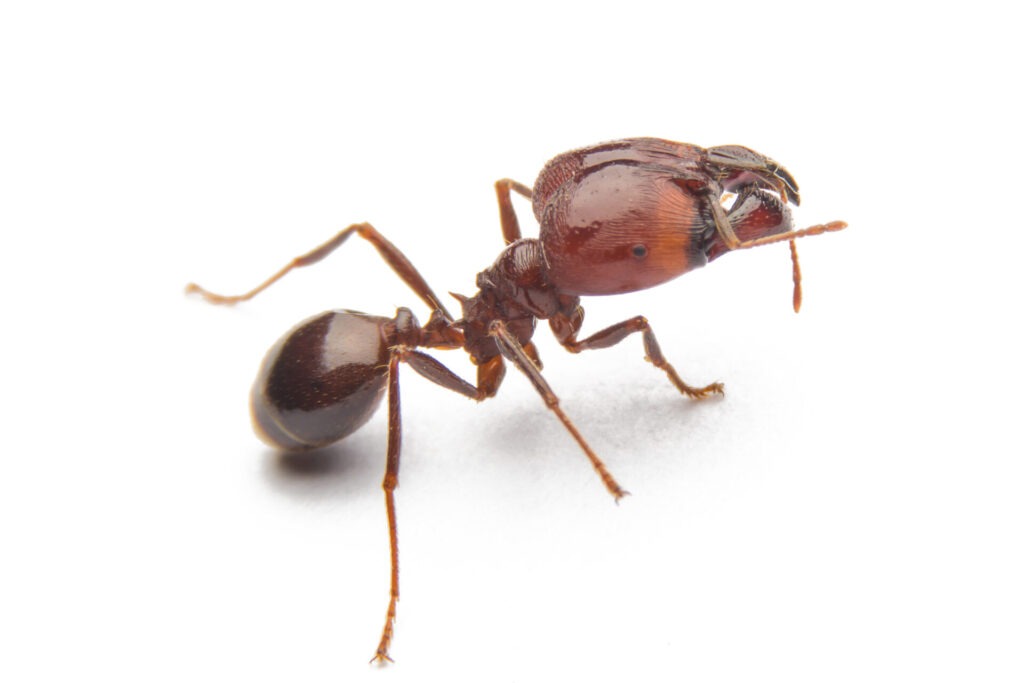
Clinician Alert: Red Imported Fire Ants Detected in Sydney A red imported fire ant nest has been detected and treated at the Enfield Intermodal Logistics Centre in Sydney’s inner west. While surveillance has not identified any additional nests and the likelihood of fire ant-related presentations is currently considered low, NSW…
Immunisation Weekly Update: Welcome to our weekly Immunisation Update! In this week’s update, read about: NSW seeing increase in reported cases of bat bites and scratches Personalised childhood vaccination schedule Vaccination during pregnancy: a guide for health professionals AIR Vaccine Type field updated New NIP schedule available: order now Education …
Non-registered practitioner in Redfern may have placed clients at risk NSW Health and the NSW Health Care Complaints Commission (HCCC) were recently made aware of a non-registered practitioner who has been providing cosmetic and other health services, including invasive procedures, from a private residence in Redfern. The HCCC has issued…
Immunisation Weekly Update: Welcome to our weekly Immunisation Update! In this week’s update, read about: Measles alert for Campbelltown area COVID-19 vaccines now funded through the NIP New NIP schedule COVID-19 vaccine ordering now open Updates to the Australian Immunisation Handbook Education Measles alert for Campbelltown area Healthcare providers are…