Primary Care Intellectual Disability Inclusion Program
Primary Care Intellectual Disability Inclusion Program (PCIDIP)
The Primary Care Intellectual Disability Inclusion Program (PCIDIP) invites practices to complete two Quality Improvement Activities (QIAs) for a $1,500 incentive:
To successfully complete the Intellectual Disability Primary Care Inclusion Program, participating practices must:
Complete the following two Quality Improvement activities:
Data cleanse and code patients with intellectual disability in clinical software.
Annual Health Assessment (AHA) audit and development of a recall and reminder process for patients with intellectual disability that have not had an AHA in the last 12 months.
2. Report deidentified data from the Quality Improvement activities
3. Ensure all participating staff complete a program evaluation survey.
CESPHN will work alongside your practice to extract POLAR data and complete all reporting requirements. Each QIA takes approximately 20 minutes to 1 hour to complete.
Optional whole‑of‑practice education sessions on intellectual disability health care, Annual Health Assessments, and reasonable adjustments are also available to support your team.
Practices must not have previously participated in PCIDIP to be eligible.
To express your interest in PCIDIP 2026, click here.
Immunisation Weekly Update: Welcome to our weekly Immunisation Update. In this week’s update, read about: Vaccine reconstitution errors Whooping Cough Day Preparing patients for overseas travel: Vaccination advice and resources Education Vaccine reconstitution errors The Therapeutic Goods Administration (TGA) is reminding health professionals to carefully follow product-specific vaccine preparation instructions,…
Immunisation Weekly Update: Welcome to our weekly Immunisation Update! In this week’s update, read about: Power outage preparedness: Are you ready for summer? Capvaxive stock available Video explainers: Measles and Pneumococcal vaccines CESPHN Immunisation Without Borders: Measles resurgence, travel health and safeguarding Australia webinar Order NIP schedule – updated October…
Excellence in primary health care celebrated at CESPHN’s Primary Health Awards Central and Eastern Sydney Primary Health Network (CESPHN) is proud to announce the winners of the 2026 Primary Health Awards, recognising excellence, innovation and quality improvement in primary health care across the region. The annual awards recognise primary health…
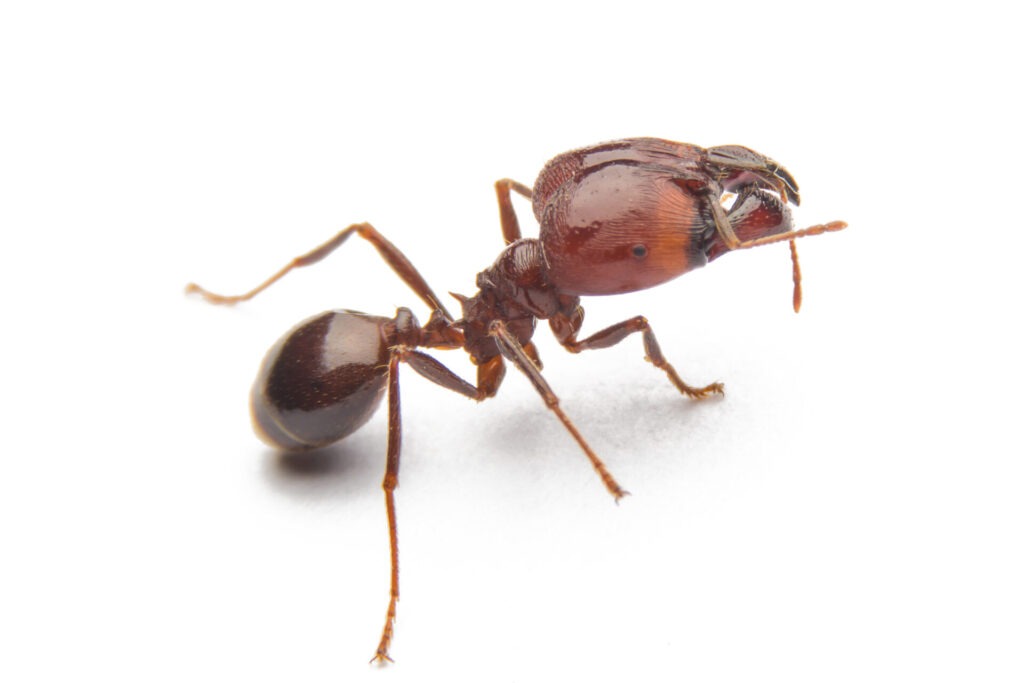
Clinician Alert: Red Imported Fire Ants Detected in Sydney A red imported fire ant nest has been detected and treated at the Enfield Intermodal Logistics Centre in Sydney’s inner west. While surveillance has not identified any additional nests and the likelihood of fire ant-related presentations is currently considered low, NSW…
Immunisation Weekly Update: Welcome to our weekly Immunisation Update! In this week’s update, read about: NSW seeing increase in reported cases of bat bites and scratches Personalised childhood vaccination schedule Vaccination during pregnancy: a guide for health professionals AIR Vaccine Type field updated New NIP schedule available: order now Education …